
Why Some People See Faster Results with Red Light Therapy Than Others
Walk into any Contour Light provider’s office long enough and you’ll notice a pattern. Two people start treatment around the same time, with similar goals, following the same protocol. Six weeks later, one of them has dropped several inches and can’t stop telling people about it. The other has seen results, real ones, but slower. Quieter. Less dramatic.
Same technology. Same sessions. Different trajectories.
This isn’t a flaw in the treatment or a reason to be skeptical of the results. It’s just biology doing what biology does, which is respond differently from person to person based on a set of variables that most people never think about. Understanding those variables doesn’t just explain the gap. It gives you a way to close it.
The Lymphatic System Is the Hidden Variable
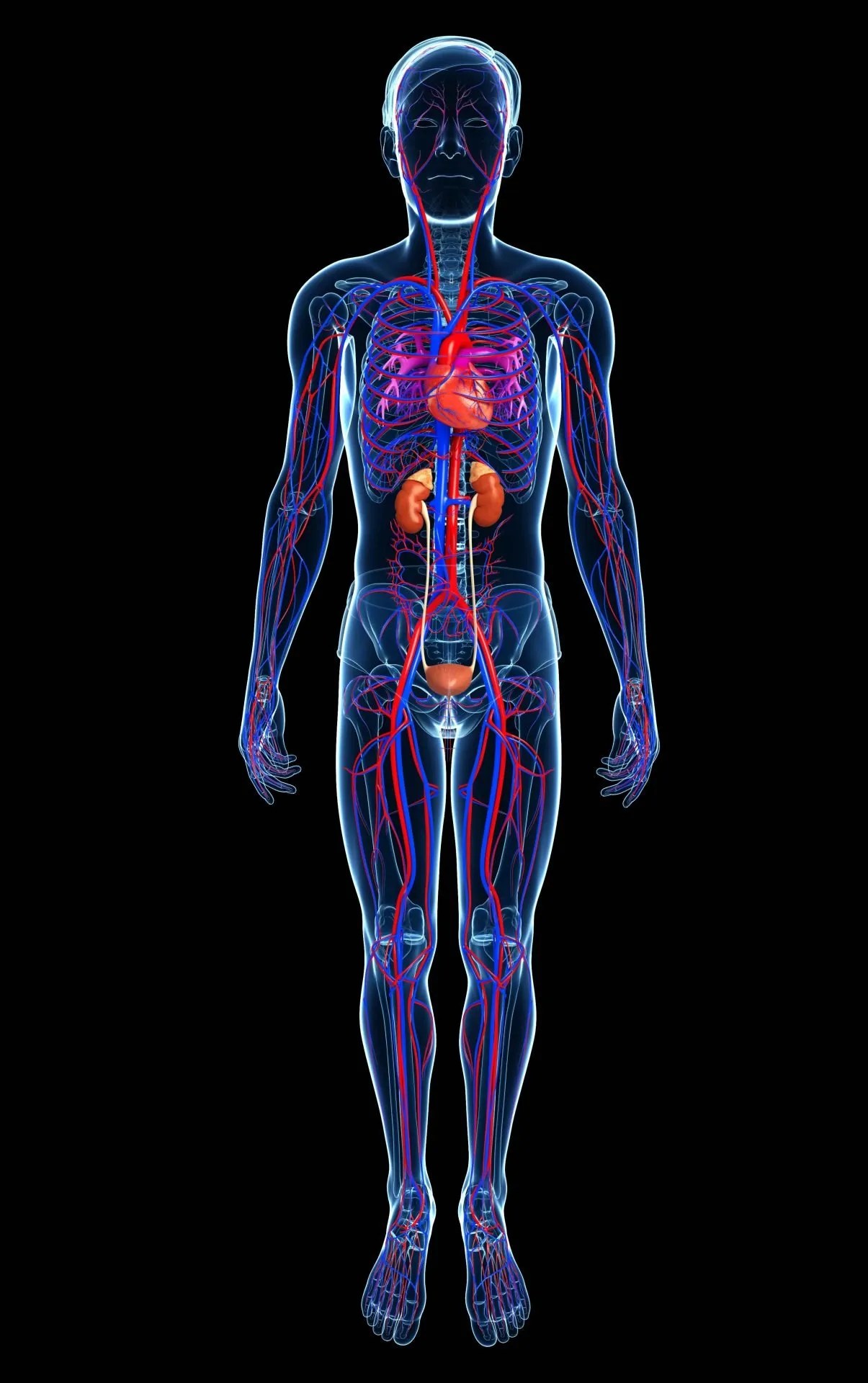
Almost every conversation about red light therapy focuses on the fat cell side of the equation: how light prompts cells to release stored triglycerides, where the fat goes, how much can be lost per session. What gets less attention is what happens immediately after that release, and how much that process varies between individuals.
Once fat leaves a cell, it doesn’t vanish. It enters the space between cells and gets picked up by the lymphatic system, which routes it to the liver for processing and elimination. The lymphatic system is, in effect, the body’s cleanup crew for the whole operation. And unlike the heart-driven cardiovascular system, the lymphatic system has no dedicated pump. It moves through muscle contractions, breathing, and body movement.
In someone who is physically active, well-hydrated, and moving regularly, that system runs efficiently. Released fat gets processed quickly, the cells stay deflated, and the results accumulate in a visible, measurable way. In someone who is more sedentary, chronically dehydrated, or dealing with lymphatic sluggishness from other causes, the clearance slows down. The fat was still released. The mechanism still worked. But the follow-through got bottlenecked.
This is one of the clearest predictors of treatment speed, and it’s also one of the most actionable.
Hydration Does More Than You Think
Water comes up in almost every post-treatment recommendation, and people tend to file it under general wellness advice without thinking too hard about why it specifically matters here. The reason is more mechanical than motivational.
The lymphatic system operates in a fluid medium. When the body is even mildly dehydrated, lymphatic fluid becomes more viscous, movement through the lymph nodes slows, and cellular waste, including newly released fat, lingers longer than it should. In a well-hydrated body, that same process runs faster and more completely.
The difference between someone who drinks a liter of water after a session and someone who doesn’t isn’t dramatic in any single session. But across eight or ten sessions, it compounds. The person who consistently supports lymphatic clearance through hydration is working with the technology. The person who isn’t is leaving results on the table without realizing it.

Body Composition Affects Light Penetration
This one surprises people when they first hear it, but the physics are straightforward. Red and near-infrared light travel through tissue, and tissue varies in how it conducts that light. Skin tone, tissue density, fat layer thickness, and the presence of scar tissue or inflammation all affect how deeply and consistently the light reaches the target cells.
This doesn’t mean certain people can’t see results. It means the variables are real and worth knowing about. Someone with very dense, deep fat deposits may need more sessions before the cumulative effect becomes visible, not because the technology is working less, but because more cellular volume needs to shift before the change registers in circumference measurements or in the mirror.
It also means that the flexible pad design matters more than people might assume. Consistent, full-contact delivery across the treatment area maximizes the light reaching the tissue. Gaps in contact, from a device that doesn’t conform to the body’s curves, mean some cells are getting less exposure than others. The engineering of the delivery system is doing real work here.
Hormones and Fat Distribution Are Not Equal
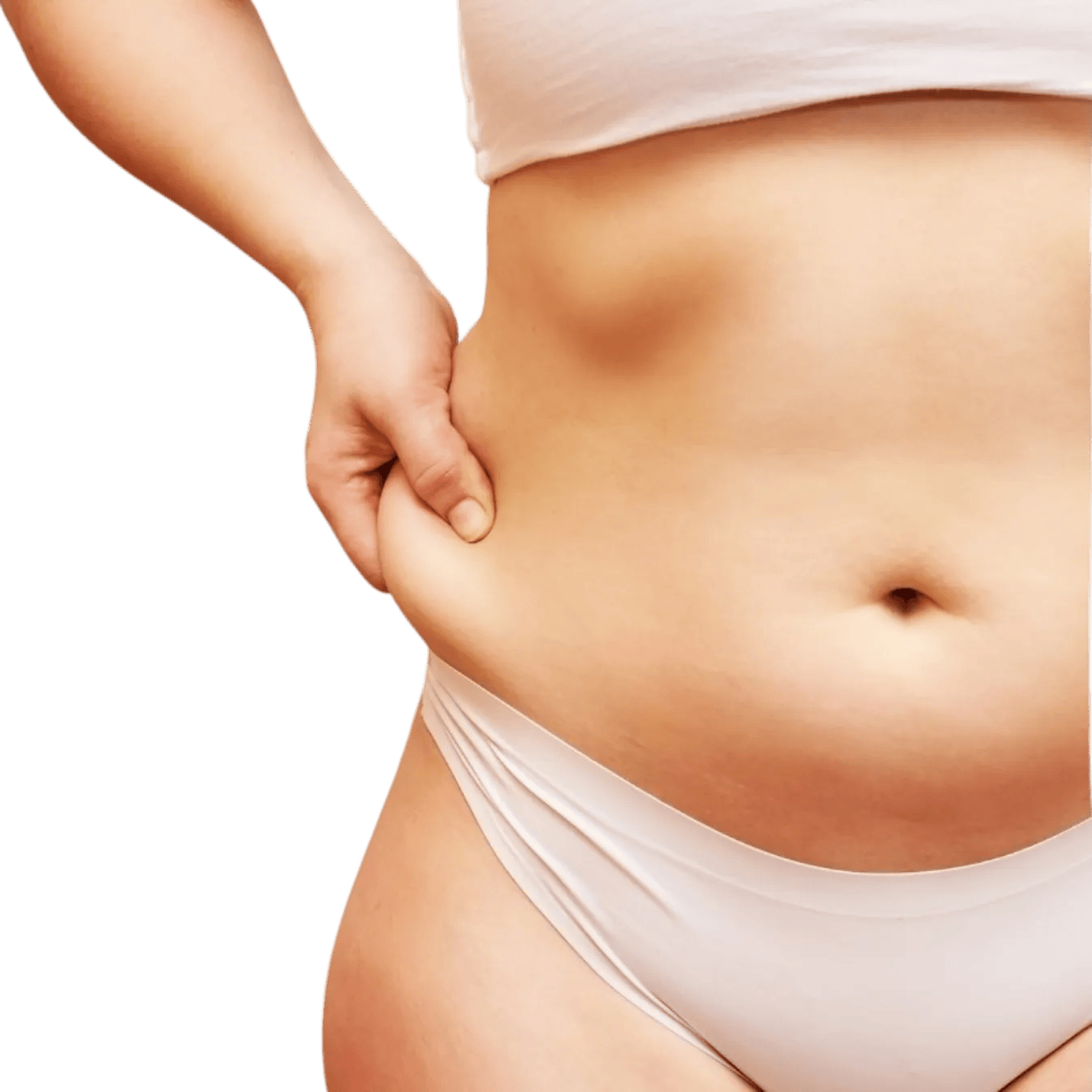
Where a person stores fat, and how readily they release it, is heavily influenced by hormonal patterns that differ significantly between individuals. Cortisol, insulin sensitivity, estrogen, and thyroid function all shape the landscape in ways that diet and exercise can only partially override.
High cortisol, which often goes hand in hand with chronic stress, specifically promotes fat storage in the abdominal area and makes those deposits more resistant to release. Someone dealing with sustained stress, even someone who is otherwise healthy and active, may find that their midsection responds more slowly than other areas, or more slowly than a friend’s did in the same number of sessions.
This isn’t an excuse. It’s useful information. If you know that stress-related cortisol is part of your picture, then stress management isn’t just a general wellness recommendation. It’s directly relevant to how well and how quickly you’ll process the fat that red light therapy is releasing.
Similarly, people with insulin resistance tend to have fat cells that are more reluctant to respond to release signals of any kind. Improving insulin sensitivity through diet, particularly by reducing refined carbohydrate intake, genuinely moves the needle here.
Consistency Has a Compounding Effect
One pattern that shows up consistently among people who see the fastest results: they treat their sessions as part of a system rather than as standalone events. They show up on schedule. They move after sessions. They drink water. They’re not perfect, but they’re consistent.
Red light therapy isn’t like a surgical procedure where the outcome is set once the work is done. The results accumulate across sessions, and the rate of accumulation is influenced by what happens between sessions as much as what happens during them. Someone who has a session and then spends the rest of the day sedentary and under-hydrated is essentially putting a partial brake on the process. Someone who has the same session and then goes for a 20-minute walk and drinks a large glass of water is actively supporting it.
Neither person did anything dramatic. The difference is just awareness of how the system works and a small adjustment in behavior to match it.
The Honest Answer
If you’re seeing results but slower than someone else’s, the most likely explanation isn’t that the technology is working differently for you. It’s that one or more of these variables is creating friction somewhere in the process.
The lymphatic clearance rate. The hydration level. The hormonal environment. The consistency of the routine. These are the real determinants of speed, and most of them are adjustable.
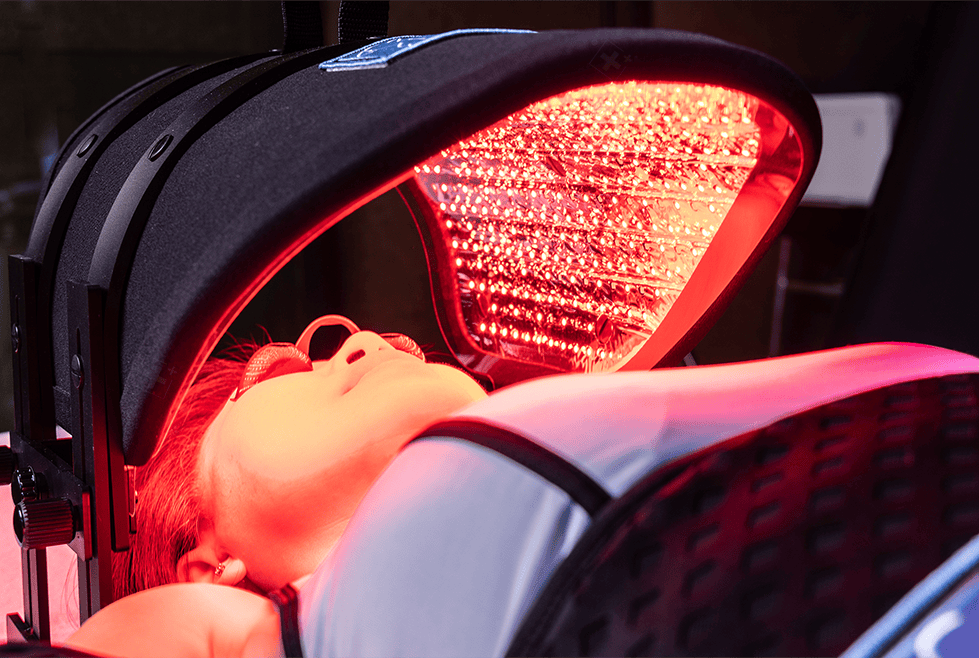
Red light therapy is a genuinely effective tool. What separates the people who get the most from it is understanding that the 30 minutes on the table is only part of the equation. The other part is the body you bring to it, and the choices you make in the hours and days after you leave.