
Why Non-Invasive Body Contouring Is Replacing Surgical Procedures
Not long ago, body contouring was almost synonymous with surgery. If someone wanted to reshape their midsection, reduce stubborn fat, or refine their silhouette, the conversation often led to liposuction or other invasive procedures. While those treatments remain available, the landscape has changed dramatically over the last decade.
Today, a growing number of people are choosing non-invasive body contouring instead. The shift is not simply about avoiding surgery. It reflects a broader change in how people think about health, wellness, and personal aesthetics. Consumers are increasingly looking for treatments that fit into their lives rather than disrupt them. They want results, but they also want comfort, flexibility, and a process that feels aligned with their overall wellness goals.
As technology continues to evolve, non-invasive body contouring is becoming less of an alternative and more of a first choice.

The End of the “No Pain, No Gain” Mentality
Most aesthetic treatments create change by physically altering tissue. Red light therapy takes a different approach.
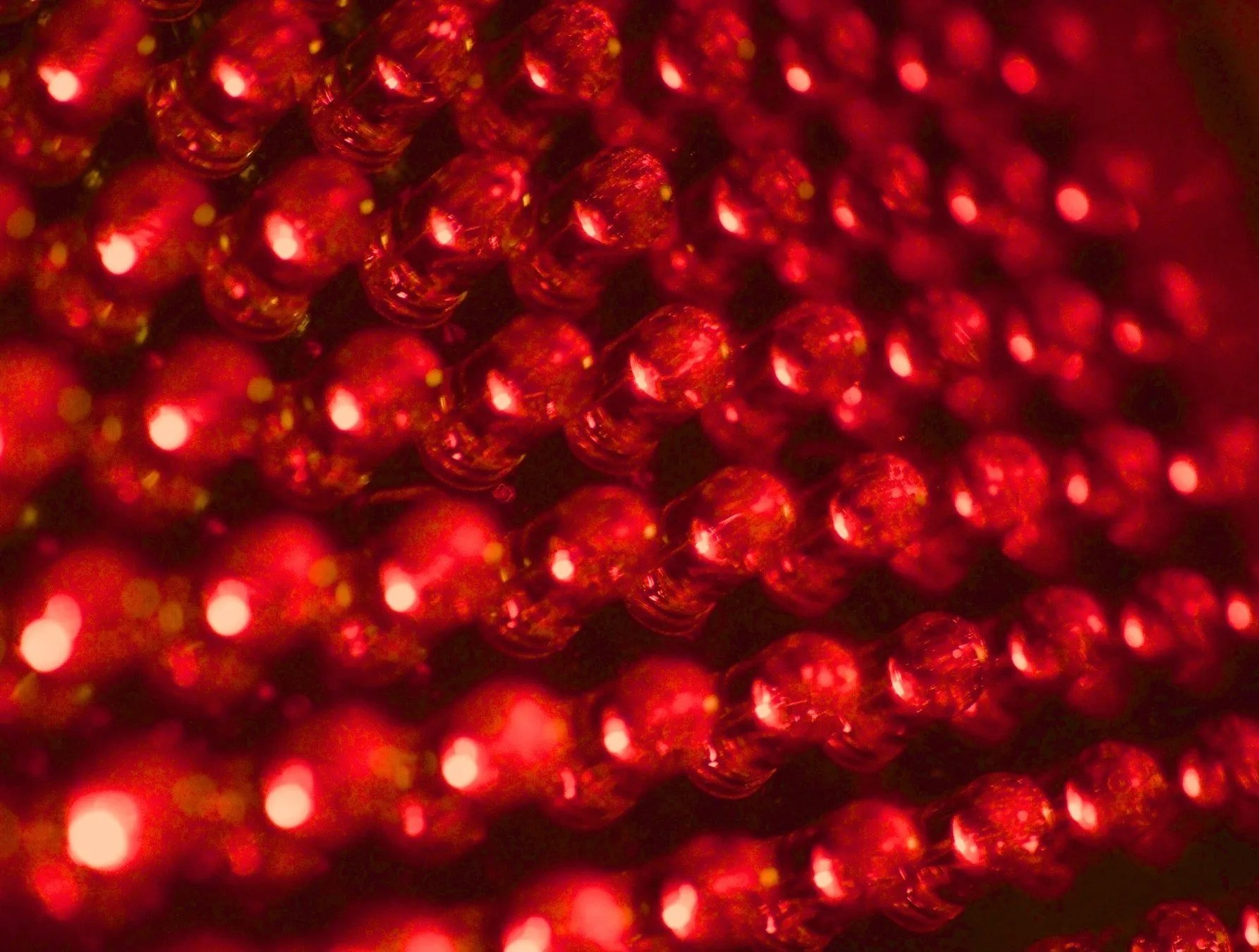
Rather than forcing immediate change, red and near-infrared light interact with cells and support natural biological processes. Researchers often refer to this process as photobiomodulation, a term that sounds complicated but describes a simple concept: using light to influence cellular function.
When cells absorb specific wavelengths of light, they may become more efficient at producing energy. This increased cellular activity can influence everything from tissue recovery to collagen production and, in body contouring applications, the way fat cells behave.
The important takeaway is that these changes occur gradually. The body still needs time to respond.
That’s why asking whether red light therapy works after one or two sessions is a little like planting a garden and expecting flowers the next morning.
A New Generation of Treatments
One reason non-invasive body contouring continues to gain traction is the variety of technologies now available. Treatments that use cold, heat, ultrasound, electromagnetic stimulation, and light-based therapies have expanded the possibilities for individuals who want to address stubborn areas without surgery.
What makes these treatments appealing is not only their convenience but also their accessibility. Many sessions can be completed during a lunch break. There is often little to no downtime, allowing people to return immediately to work, exercise, or family responsibilities.
This convenience has become a major factor in treatment decisions.
For busy professionals, parents, and active individuals, taking weeks to recover from a procedure may simply not be realistic. Non-invasive treatments offer an option that works within the realities of modern life.

The Wellness Effect
The rise of non-invasive body contouring is also tied to a larger wellness movement.
People are no longer viewing aesthetic treatments as isolated events. Instead, they are incorporating them into broader lifestyle strategies. Nutrition, exercise, sleep, stress management, recovery, and aesthetics are increasingly seen as interconnected pieces of the same puzzle.
This shift has created demand for technologies that complement healthy habits rather than replace them.
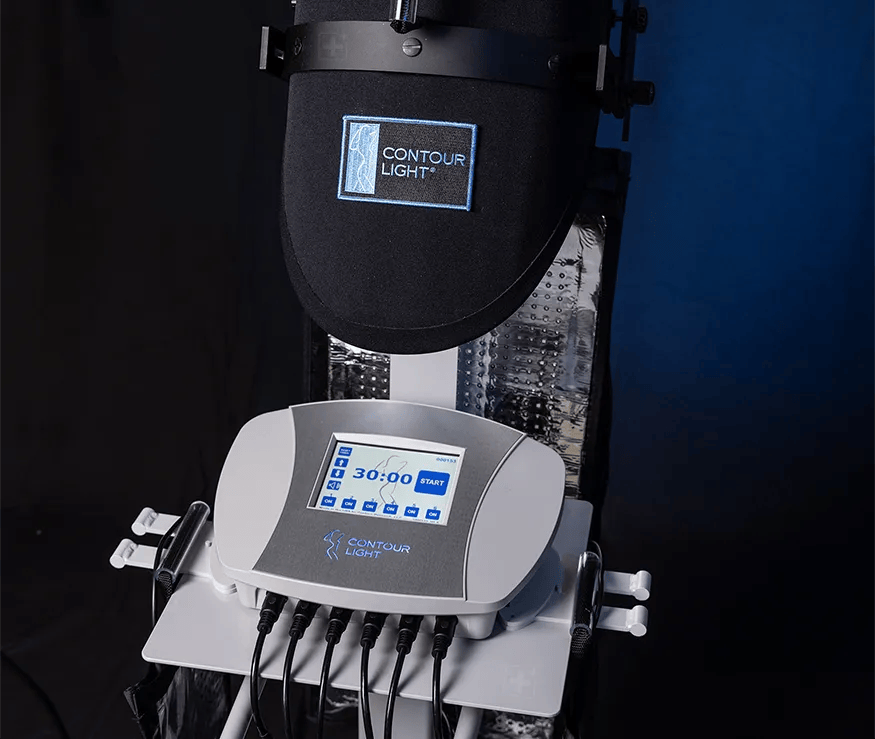
Contour Light is a good example of this evolution. While many body contouring systems focus exclusively on fat reduction, red light therapy approaches the body from a different perspective. Rather than relying on aggressive intervention, the technology works with natural biological processes.
That distinction resonates with people who are already investing in their health and want additional support for areas that may not respond easily to diet and exercise alone.
Why Red Light Therapy Fits the Moment
One of the reasons red light therapy has generated so much attention is because it aligns with what many consumers are looking for today: effective treatments that feel approachable.
People are increasingly curious about how the body functions at a cellular level. Conversations around metabolism, recovery, inflammation, and energy production have become mainstream. Red light therapy naturally fits into these discussions because it is rooted in cellular activity rather than tissue destruction.
This creates a different treatment experience.
Instead of focusing solely on removing fat, the conversation expands to include skin quality, tissue support, and overall appearance. For many clients, that broader perspective feels more modern and holistic than traditional body contouring approaches.
The result is often a treatment journey that feels less clinical and more integrated into a person’s overall wellness routine.
The Importance of Looking Natural
Another reason non-invasive body contouring is replacing surgical procedures is the growing preference for natural-looking results.
Trends across the aesthetics industry suggest that people increasingly want enhancements that are difficult to identify. They want to look refreshed, healthy, and confident without appearing dramatically altered.
Non-invasive contouring supports this preference because changes tend to occur gradually. Friends and family may notice that someone looks slimmer, more toned, or healthier without being able to pinpoint exactly why.
That subtlety has become a significant advantage.
Rather than chasing dramatic transformations, many people now prioritize refinements that fit naturally within their existing lifestyle and appearance.

Technology Is Making Better Outcomes Possible
The rapid advancement of body contouring technology cannot be ignored.
Today’s systems are more sophisticated, more targeted, and more comfortable than those available even a decade ago. As research continues to improve our understanding of fat cells, skin health, and cellular responses to various forms of energy, treatments become increasingly refined.
This ongoing innovation is helping close the gap between what was once achievable only through surgery and what can now be accomplished non-invasively.
While surgery will always have a place for certain individuals and goals, it is no longer the automatic starting point it once was.
The Future of Body Contouring
The future of aesthetics appears to be moving toward personalization, wellness integration, and minimally invasive solutions.
Consumers want treatments that support their goals without forcing them to pause their lives. They want options that feel proactive rather than reactive. Most importantly, they want approaches that work with the body rather than against it.
Non-invasive body contouring reflects all of these priorities.
As technologies like Contour Light continue to gain attention, the conversation around body sculpting is shifting away from drastic intervention and toward sustainable enhancement. The focus is becoming less about changing who you are and more about supporting the version of yourself you are already working toward.
That change may be the biggest reason non-invasive body contouring is replacing surgical procedures. It is not just a different treatment. It is a different philosophy altogether.
About Us
The Contour Light® system is FDA-cleared for use as a non-invasive dermatological aesthetic treatment for reducing the circumference of the hips, waist, and thighs. Contour Light® is also FDA-cleared for the temporary relief of minor muscle and joint pain, arthritis, and muscle spasms, relieving stiffness, promoting the relaxation of muscle tissue, and temporarily increasing local blood circulation.
The Technology
Purchase a Contour System
Address
Phone
Follow Us
About Us
The Contour Light® system is FDA-cleared for use as a non-invasive dermatological aesthetic treatment for reducing the circumference of the hips, waist, and thighs. Contour Light® is also FDA-cleared for the temporary relief of minor muscle and joint pain, arthritis, and muscle spasms, relieving stiffness, promoting the relaxation of muscle tissue, and temporarily increasing local blood circulation.