
What Happens to Fat After Red Light Body Contouring?
It’s one of the first questions people ask, usually right after they’ve seen the before-and-after photos and started to take the technology seriously. The results look real. The process sounds almost too simple. And somewhere in the back of the mind, a reasonable question forms: if no one is cutting anything out, where does the fat actually go?
It’s a fair thing to wonder. And the answer is more interesting than most people expect.
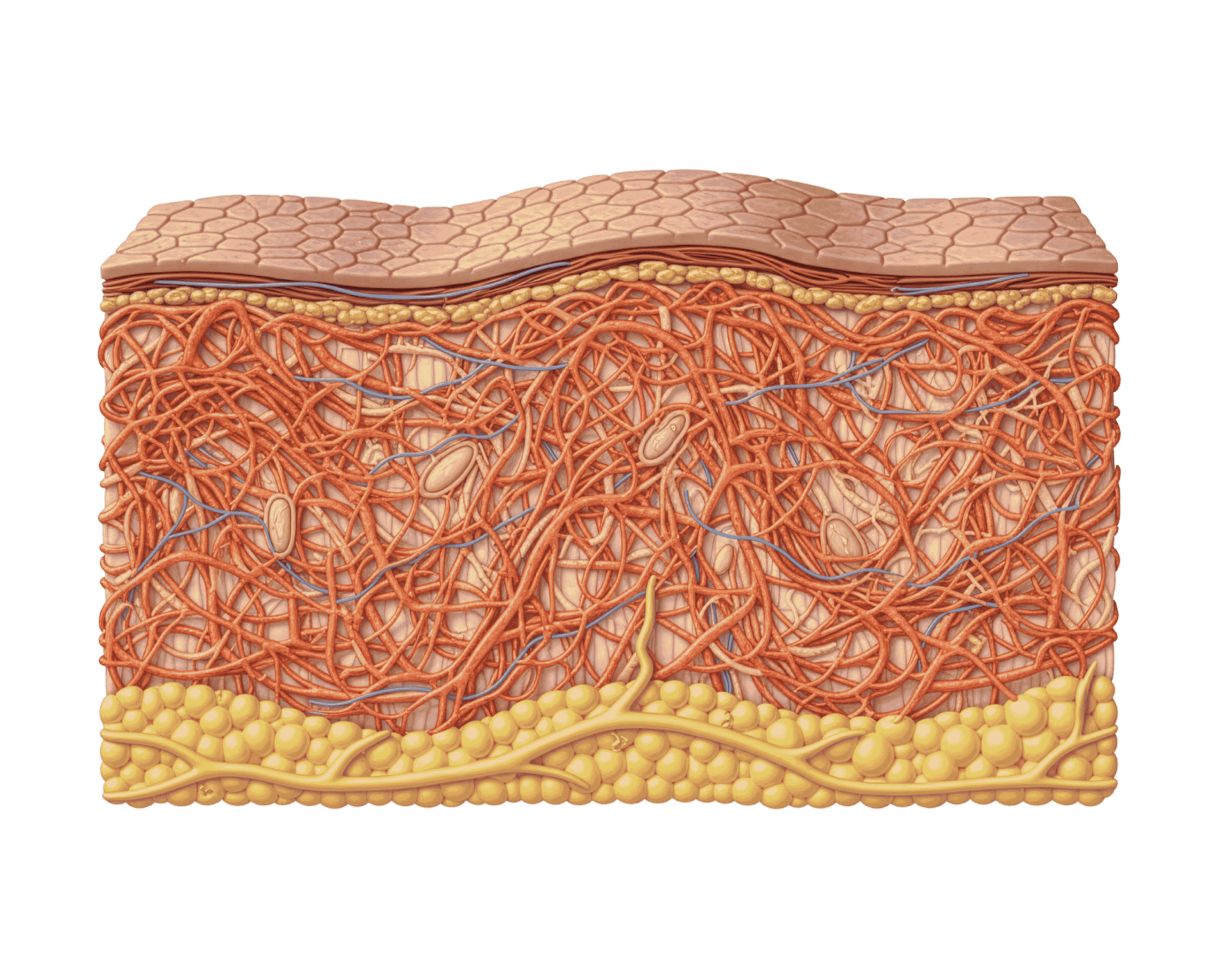
Fat Cells Are Not the Enemy
Before getting into the mechanism, it helps to reframe how most people think about fat cells. The popular mental image is that fat is something the body accumulates through failure, that it sits there passively taking up space, and that the goal is to destroy it or remove it by force.
The biological reality is more nuanced. Fat cells are active participants in the body’s energy system. They store and release triglycerides in response to hormonal signals, they play roles in insulation and organ protection, and the body defends them with some intensity because historically, running out of stored energy was a more serious threat than carrying too much of it.
This is why stubborn fat is stubborn. Those deposits in the abdomen, the hips, the inner thighs, they aren’t there because your body forgot about them. They’re there because your body made a decision, based on hormonal patterns and genetic predispositions, to store fat in those locations and to be relatively reluctant to release it. Diet and exercise can shift the overall balance, but they send general signals. They can’t target a specific cell in a specific location and tell it to let go.
Red light therapy can, which is what makes the mechanism worth understanding.
The Release Mechanism
When red and near-infrared light at the right wavelengths reach a fat cell, they interact with structures inside the cell called mitochondria. This triggers a process that temporarily opens small pores in the fat cell membrane, essentially creating channels through which the cell’s stored contents can exit.
What comes out isn’t fat in the way most people picture it. It’s triglycerides, water, and free fatty acids. The fat cell itself remains intact. It doesn’t die, it doesn’t get destroyed, it just empties, the way a water balloon would if you poked a small hole in it and let it drain.
The cell collapses inward as the contents leave, which is where the measurable inch loss comes from. You’re not removing cells. You’re deflating them. In areas where many cells deflate at the same time, across the abdomen or the thighs, the reduction in volume is visible and measurable after a single session.
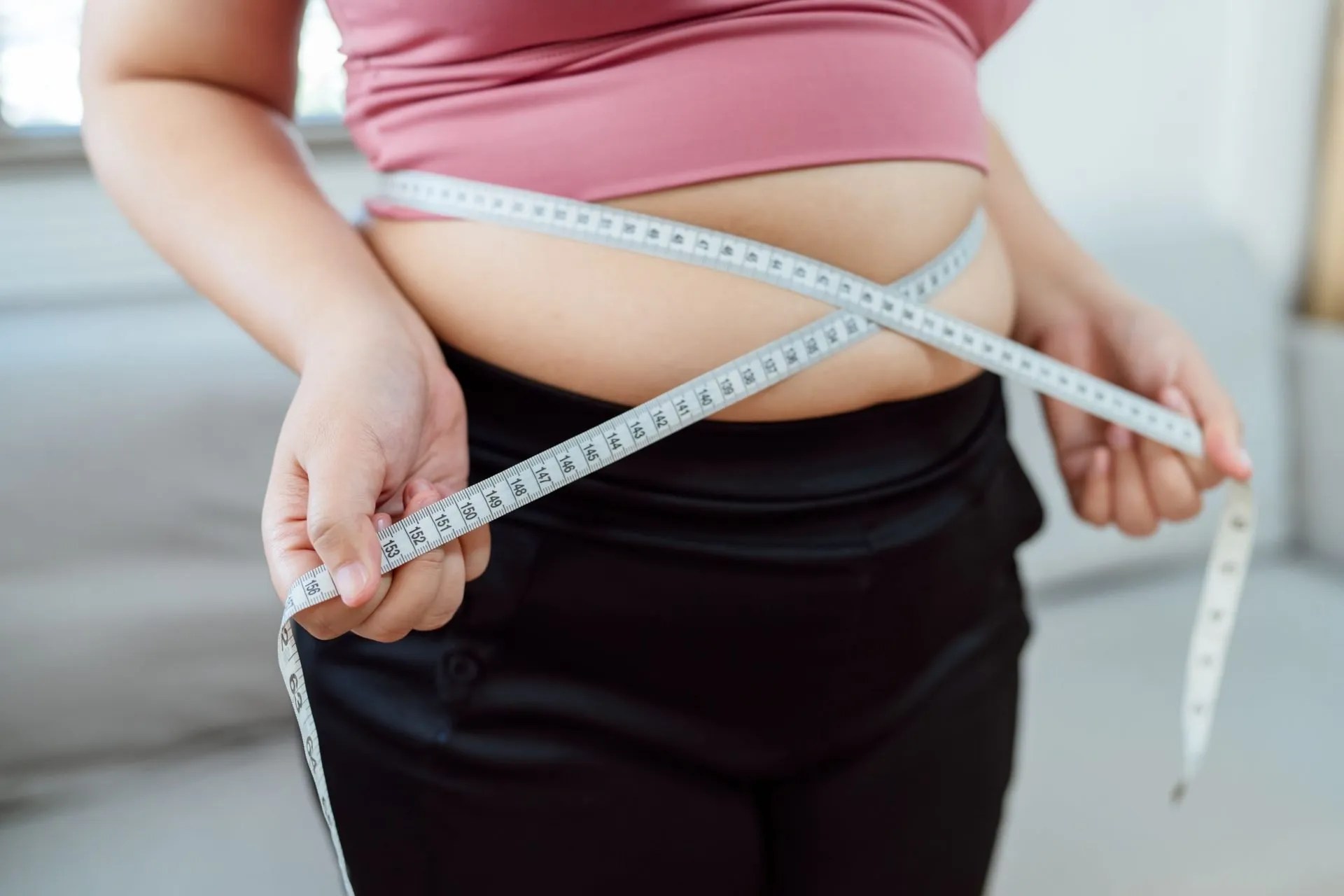
Then What?
This is the part that makes people nervous when they first hear it. If the fat leaves the cells, where does it go? And can it just go right back?
Once the triglycerides and fatty acids are released into the space between cells, the lymphatic system takes over. The lymphatic system is essentially the body’s drainage and waste-processing network, a parallel circulatory system that collects cellular byproducts, filters them through lymph nodes, and routes them toward the liver for processing. From there, the released fat gets metabolized the same way any fat does when it’s in circulation: broken down, used for energy, and eliminated through the body’s normal channels.
The process is gradual rather than instant. The lymphatic system works at its own pace, and giving it support through hydration and movement in the hours after a session helps it work more efficiently. This is why providers typically recommend drinking water and staying lightly active after treatment, not because the technology requires it, but because the body’s cleanup process benefits from it.
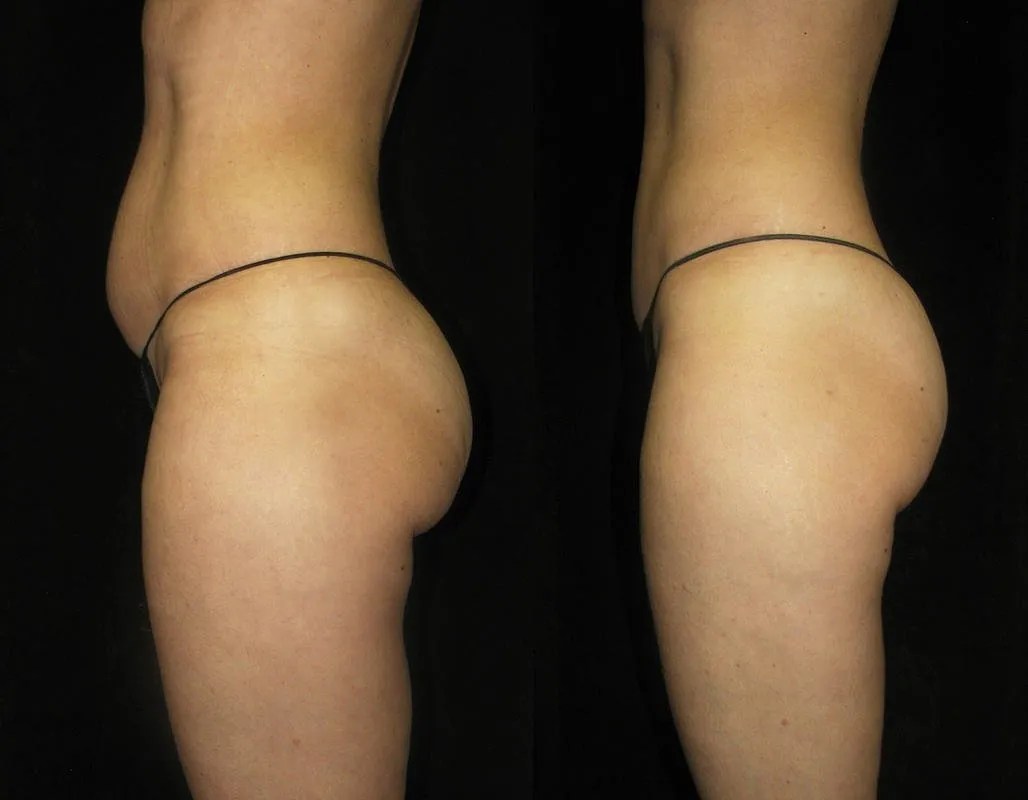
Does the Fat Come Back?
Here’s where the honest answer requires a little nuance. Fat cells that have been emptied can refill if the body’s energy balance shifts significantly in the wrong direction. The cells are still there, still capable of storing triglycerides, and if caloric input consistently exceeds output over time, they will do exactly that.
What this means practically is that red light body contouring is not a substitute for a reasonable lifestyle. It is a tool that addresses the distribution problem, the stubborn areas that diet and exercise aren’t reaching, but it works best in the context of habits that don’t immediately undo what it’s accomplishing.
The encouraging part is that the results from sessions that are maintained through normal healthy behavior tend to be durable. The cells don’t have any particular drive to refill to their previous size. They released their contents, collapsed, and are sitting in a depleted state. Keeping them there doesn’t require perfection. It just requires not going in the opposite direction.
Why the Lymphatic System Matters More Than People Realize
Most conversations about red light therapy focus on the fat cell side of the equation, which makes sense since that’s the visible result. But the lymphatic system’s role deserves more attention than it usually gets.
The lymphatic system has no pump of its own. Unlike the cardiovascular system, which has the heart driving circulation continuously, the lymphatic system relies on body movement, muscle contractions, and breathing to keep fluid moving. When it’s sluggish, cellular byproducts accumulate, inflammation increases, and the body’s ability to process and eliminate things, including recently released fat, slows down.
This is one reason why people who combine Contour Light sessions with regular physical activity tend to see better and faster results than people who use it in isolation. The movement isn’t just burning additional calories. It’s actively supporting the system responsible for clearing what the light therapy releases. The two work together in a way that’s more effective than either one alone.
The Bigger Picture
Understanding the mechanism changes how you think about the treatment. It’s not magic, and it’s not a trick. It’s a targeted intervention in a specific biological process that the body already knows how to do, releasing stored fat and processing it through existing systems. The technology just prompts it to happen in the places the body would otherwise be reluctant to touch.
That’s a more empowering frame than most people bring to body contouring, where the default assumption is that something dramatic has to happen to produce results. What actually happens is quieter than that. A cell opens. The contents drain. The body does the rest.
Thirty minutes, and a process that’s been running in the background your whole life does exactly what it’s designed to do, just finally, in the places you’ve been waiting on.

About Us
The Contour Light® system is FDA-cleared for use as a non-invasive dermatological aesthetic treatment for reducing the circumference of the hips, waist, and thighs. Contour Light® is also FDA-cleared for the temporary relief of minor muscle and joint pain, arthritis, and muscle spasms, relieving stiffness, promoting the relaxation of muscle tissue, and temporarily increasing local blood circulation.