
Weight Loss, Hormones, and the Menstrual Cycle
Why Your Body Looks and Feels Different Throughout Your Cycle
Weight loss outcomes can vary across the menstrual cycle due to predictable hormonal changes. Fluctuations in estrogen and progesterone influence fluid balance, inflammation, and tissue response, which can affect how body composition changes appear from week to week.
These hormonal shifts may result in temporary changes in bloating, water retention, or perceived body contour, even when nutrition and activity remain consistent. Understanding this physiological context helps explain why your weight loss does not always progress in a linear pattern.
Hormonal Changes Influence How the Body Responds
The menstrual cycle is governed primarily by estrogen and progesterone, which rise and fall in predictable phases across the month. These hormonal shifts influence far more than reproductive health. They also affect metabolism, inflammation, water balance, and how the body stores or releases energy.
During certain phases of the cycle, you may feel lighter, leaner, and more energized. During others, the body may naturally retain more fluid or feel more sensitive and inflamed. These shifts are part of normal physiology and vary from person to person.

Fluid Retention and Inflammation Vary Throughout the Cycle
Hormonal fluctuations can influence how the body manages fluid, which helps explain why bloating and swelling are more noticeable during certain weeks. Water retention can affect how clothes fit and how body contours appear, even when eating habits and activity levels have not changed.
Inflammation also fluctuates across the menstrual cycle. During higher-inflammation phases, tissues may feel firmer or more resistant, making progress feel slower even when healthy habits are in place. These changes are temporary but can be frustrating without context.
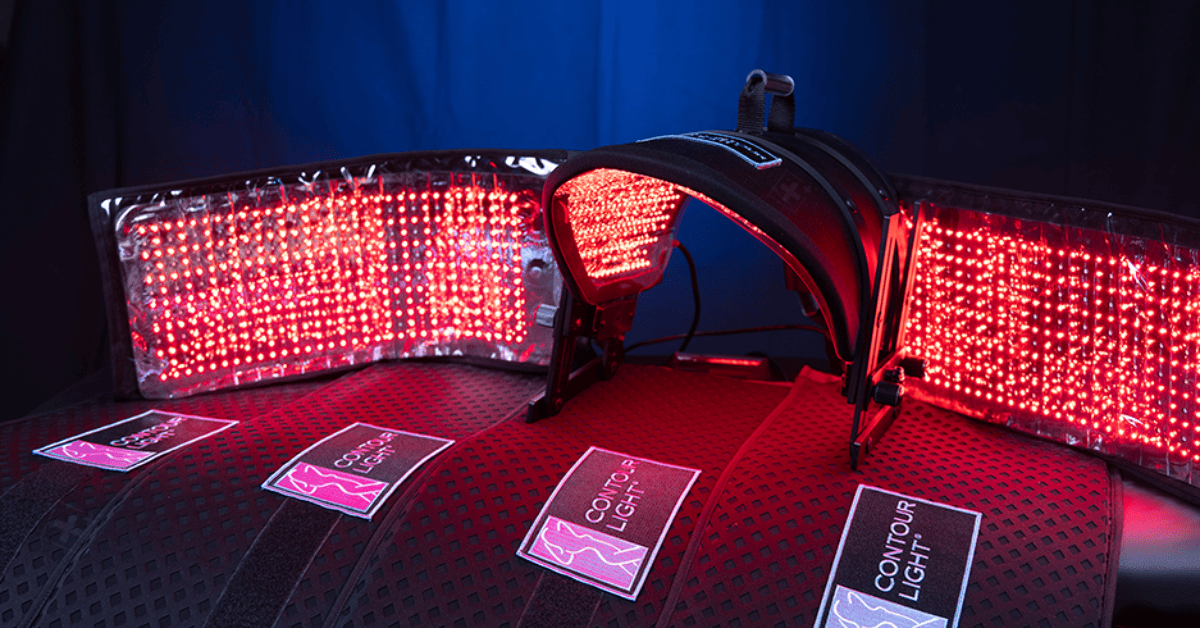
How Contour Light® Supports You Through Hormonal Fluctuations
Many people choose Contour Light® because it offers gentle, consistent support during times when hormonal changes make progress feel more challenging.
During phases when fluid retention or inflammation is more noticeable, Contour Light® provides a comfortable option that does not add physical stress or demand extreme lifestyle changes. Because sessions are non-invasive and easy to fit into a routine, they can be used consistently even when energy levels or motivation fluctuate.
People often incorporate Contour Light® alongside balanced nutrition, regular movement, and rest, using it as support rather than a replacement for healthy habits. This approach allows the body to move forward without working against natural hormonal rhythms.
Cycle-Related Factors in Weight Loss Progression
When you’re on your period, weight loss and body changes often follow a rhythm that isn’t talked about enough. Throughout your cycle, some weeks feel lighter and easier, while other weeks bring bloating, puffiness, or a sense that progress has slowed — even when routines stay the same.
These shifts are not random, and they are not a reflection of effort or consistency. They are closely tied to the hormonal changes that occur throughout the menstrual cycle. As estrogen and progesterone rise and fall, they influence inflammation, fluid retention, and how the body holds and releases weight.
Recognizing the biological role of hormonal fluctuations can reduce unnecessary self-criticism around short-term changes. These shifts are part of normal physiology, not personal failure. For some people, supportive options like Contour Light® are used during these phases to work with the body rather than against predictable hormonal variability.