Red Light vs. Blue Light Therapy: Choosing the Right Path
In the ever-evolving world of light-based wellness and skincare treatments, two therapies stand out for their distinct benefits: red light therapy and blue light therapy. While both treatments harness specific wavelengths of light to deliver therapeutic results, their applications, benefits, and mechanisms differ significantly. Whether you’re looking to sculpt your body, improve your skin, or address other health concerns, understanding the difference between red and blue light therapy is essential for choosing the right path.
Understanding Red Light Therapy
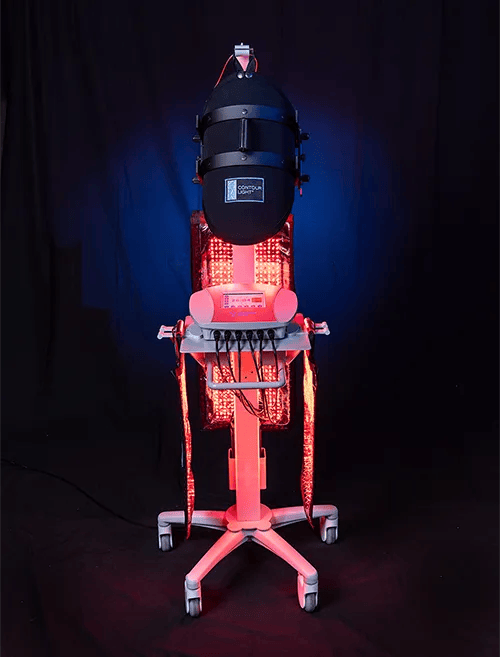
Red light therapy, often associated with body contouring devices like Contour Light®, utilizes low-level wavelengths of red and near-infrared light. These wavelengths penetrate the skin deeply and stimulate cellular activity—particularly in the mitochondria—resulting in a variety of health and cosmetic benefits.
Key Benefits of Red Light Therapy:
- Fat reduction and body sculpting: Red light encourages fat cells to release fatty acids, which are naturally eliminated by the body. Systems like Contour Light® are FDA-cleared for temporary inch loss.
- Skin rejuvenation: By boosting collagen and elastin production, red light helps reduce fine lines, improve skin tone, and enhance elasticity.
- Pain relief and inflammation reduction: Red light therapy has also shown promise in reducing muscle soreness, joint stiffness, and inflammation.
- Improved circulation: It promotes blood flow, which aids healing and enhances the appearance of the skin.
Red light therapy is non-invasive, painless, and has virtually no side effects or downtime, making it a top choice for clients seeking safe and effective body contouring or skin rejuvenation treatments.

Understanding Blue Light Therapy
Blue light therapy, on the other hand, uses shorter wavelengths (typically around 415 nm) to target the surface layer of the skin. It is primarily used in dermatology for its antibacterial and anti-inflammatory properties, making it highly effective in treating conditions like acne.
Key Benefits of Blue Light Therapy:
- Acne treatment: Blue light kills acne-causing bacteria (P. acnes), helping to reduce breakouts and prevent future blemishes.
- Oily skin management: It regulates sebaceous (oil) gland activity, reducing excess oil on the skin.
- Sun damage and actinic keratosis: Blue light therapy is sometimes used in conjunction with topical photosensitizing agents to treat pre-cancerous skin lesions.
While incredibly effective for surface-level skin concerns, blue light therapy is less suited for deep tissue treatments like fat loss or muscle recovery. It is generally used by dermatologists or estheticians and often involves a series of short, in-office treatments.
Which One is Right for You?
The choice between red and blue light therapy depends entirely on your goals:
- Choose red light therapy if your goals include body contouring, fat reduction, skin tightening, anti-aging, or pain relief. Devices like Contour Light® are designed specifically to deliver these benefits with no downtime.
- Choose blue light therapy if you are struggling with acne, oily skin, or minor skin damage, and are looking for a treatment to purify and heal the skin’s surface.
In some cases, a combination of both therapies may be recommended by professionals to address multiple skin concerns simultaneously.

Final Thoughts
While both red and blue light therapies are backed by scientific research and proven benefits, their purposes and effects are different. Red light therapy penetrates deeper and supports structural improvements and fat reduction, while blue light therapy focuses on surface-level skin conditions like acne and inflammation.
If your goal is to reshape your body, reduce fat, and rejuvenate your skin, red light therapy—especially through technologies like Contour Light®—is the clear path forward. By understanding your needs and consulting with a professional, you can make an informed decision and get the most out of your light therapy journey.