
Is Red Light Therapy a Weight Loss Tool or a Body Sculpting Tool?
The question comes up constantly, and it’s worth answering properly because the distinction matters more than it might seem. People come to red light therapy with different expectations depending on which frame they’re using, and those expectations shape whether they feel like the treatment delivered or let them down.
So let’s be clear about what red light therapy actually is, what it isn’t, and why the right answer to this question changes how you use it.
Why the Framing Matters
Weight loss and body sculpting sound like they’re pointing at the same goal. In practice, they describe two completely different things.
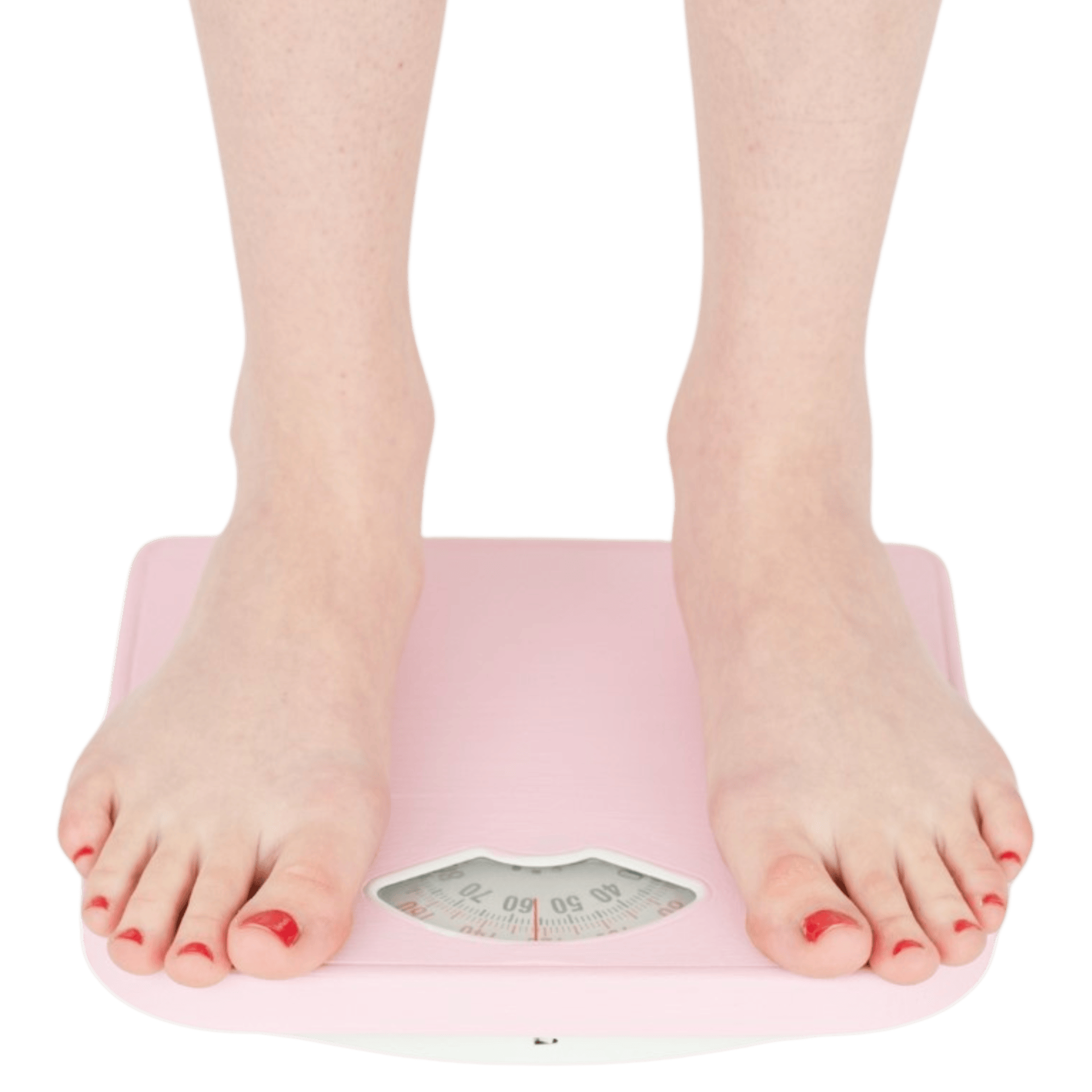
Weight loss is about the number. The scale going down, total body mass reducing, calories out exceeding calories in over time. It’s a systemic process that affects the whole body roughly proportionally, and it’s driven primarily by energy balance. Exercise and diet are the tools for this. No topical treatment, light-based or otherwise, is going to replicate the metabolic effect of sustained caloric deficit.
Body sculpting is about the shape. Where fat sits, how it’s distributed, which areas respond to everything you’re doing and which ones simply don’t. It’s a localized problem, and it’s largely governed by factors outside the reach of general weight loss strategies: genetics, hormones, fat cell behavior in specific regions.
These two problems require different tools. Conflating them is how people end up disappointed by treatments that were never designed for what they expected.
Where Red Light Therapy Actually Lives
Red light therapy is a body sculpting tool. Unambiguously. It works at the level of individual fat cells in targeted areas, prompting them to release stored contents through a well-documented cellular mechanism involving specific wavelengths of light. It reduces circumference. It changes shape. It addresses the localized problem with a localized solution.
What it doesn’t do is alter your body’s overall energy balance. It doesn’t increase metabolism in a meaningful systemic way. It doesn’t burn significant calories during a session. If someone steps on a scale the morning after a Contour Light treatment, they may or may not see the number move, and that’s not the right measure for what the treatment accomplished.
The right measure is the tape measure. Inches lost in the abdomen, the hips, the thighs, the back. That’s the outcome the technology produces, and it’s an outcome that scale-watching misses almost entirely.
The Problem With “Weight Loss” as a Category
Part of why this confusion persists is that the wellness industry has trained people to use weight as the universal metric for physical progress. It’s the most visible number, the easiest to track, and the one that carries the most cultural weight. So when people evaluate any new treatment, they default to asking whether it will move the scale.
But weight is a notoriously imperfect proxy for what most people actually want. Someone can lose ten pounds and look essentially the same if the weight comes from muscle or water. Someone else can lose two inches from their waist, go down a dress size, and feel dramatically different in their body while the scale barely budges. The number and the outcome are only loosely correlated, and for a treatment that works at the level of localized fat cell volume, they’re even more loosely connected than usual.
This is especially true in the early sessions of red light therapy, where the cellular changes are happening but the lymphatic system is still processing and clearing what’s been released. The body is actively changing in ways the scale won’t capture for days, or at all.

What Happens When You Combine Both
Here’s where it gets interesting. Red light therapy and weight loss aren’t competing approaches. They’re complementary ones, addressing different parts of the same goal.
Someone who is working on overall weight loss through diet and exercise is changing their body’s total energy equation. That process tends to reduce fat somewhat proportionally across the body, which is fine except for the stubborn areas that don’t follow the general trend. The belly that holds on longest. The hips that seem immune to the deficit. Those spots are where genetics and hormonal patterns have decided to park fat, and caloric restriction alone isn’t sending a targeted enough signal to move them specifically.
Red light therapy fills that gap. It doesn’t care what your diet looks like. It addresses those cells directly, in the locations you’ve been waiting on, independently of whether the rest of your body is in a caloric deficit or not. Used alongside a general weight loss approach, it cleans up the distribution problem that weight loss can’t solve on its own.
Used as a standalone treatment in someone who isn’t making other changes, it still produces real inch loss. But it’s working on shape, not scale. The expectation needs to match accordingly.
The Sculpting Frame Is More Honest and More Useful
Calling red light therapy a sculpting tool isn’t a limitation. It’s actually the more compelling description once you understand what sculpting means.
The promise of general weight loss is vague. Lose weight, feel better, the benefits are diffuse and the progress is slow and non-linear. The promise of sculpting is specific. This area. These inches. Starting after the first session. That’s a more targeted outcome, easier to measure, easier to see, and often more meaningful to the person who’s been fighting the same stubborn spots for years while doing everything else right.
The people who get the most out of Contour Light are the ones who arrive with sculpting goals. They’re not here because they want to see a smaller number on the scale. They’re here because they’ve lost the weight, or they’re close, and the shape still doesn’t reflect the work they’ve put in. Or they’ve accepted their weight but have a specific area that affects how they feel in their body and in their clothes, and they want to address it precisely rather than generally.
For that person, red light therapy isn’t a consolation prize or an alternative to the harder work. It’s the right tool for the exact problem they actually have.

The Honest Answer
Weight loss tool? No. Not in the way the question usually means.
Body sculpting tool? Definitively. One of the most effective non-invasive options available for targeted, localized fat reduction with no downtime, no surgery, and results that start showing up from the first session.
The distinction isn’t a limitation to apologize for. It’s a clarity that helps you use the technology the way it was actually designed to work. And when expectations match the mechanism, the results tend to speak for themselves.
About Us
The Contour Light® system is FDA-cleared for use as a non-invasive dermatological aesthetic treatment for reducing the circumference of the hips, waist, and thighs. Contour Light® is also FDA-cleared for the temporary relief of minor muscle and joint pain, arthritis, and muscle spasms, relieving stiffness, promoting the relaxation of muscle tissue, and temporarily increasing local blood circulation.
The Technology
Purchase a Contour System
Address
Phone
Follow Us
About Us
The Contour Light® system is FDA-cleared for use as a non-invasive dermatological aesthetic treatment for reducing the circumference of the hips, waist, and thighs. Contour Light® is also FDA-cleared for the temporary relief of minor muscle and joint pain, arthritis, and muscle spasms, relieving stiffness, promoting the relaxation of muscle tissue, and temporarily increasing local blood circulation.