Contour Light® in a nutshell: the Difference Between Red Light Therapy and Infrared Therapy
Light therapy has been used for treating skin conditions, depression, and other conditions for thousands of years; it is not a new age craze. Both near-infrared therapy and red light therapy have numerous advantages. Although several light therapy modalities are frequently combined, they each have unique properties and distinct therapeutic effects on the body.
Red Light vs. Near-Infrared Therapy
Near-infrared (NIR) and red light therapies belong to a completely different light spectrum. Although they are frequently mistaken for one another, the two are fairly distinct. Red light is used to treat the skin’s surface and is in the visible region of the light spectrum between 630 and 700 nm on the electromagnetic scale. Near-infrared wavelengths, between 700 and 1200 nm, are located in the invisible region of the light spectrum. What does this entail, then? The deeper the penetration to send energy to the cells, promoting healing and reducing pain, the longer the wavelength. Different cell and tissue types each have a special way of absorbing light at different wavelengths. This implies that specific tissues absorb particular light types. The study on LEDs in dermatology shows that while light pulsating at the blue wavelength is wonderful for the skin, other hues may permeate the skin more deeply.
LEDs perform NIR technology at its best since you can regulate the surface temperature. Additionally, compared to red light halogen or laser, LED disperses across a broader surface area. The method by which light energy is transmitted (optical power output, or OPD) significantly distinguishes LED from halogen and laser technology. Laser and halogen OPD are measured in watts, while LED Near OPD is measured in milliwatts. As a result, LED can be delivered more gently because there will be less possibility of unintentional eye injury and less tissue damage. Additionally, faster treatment times are provided by LED NIR disperses over a larger surface area.
According to NASA research, the NIR electromagnetic frequency spectrum of radiation can help our specific cells by penetrating the body deeply. For instance, every cell has receptors sensitive to near-infrared wavelengths inside the mitochondria. Increased protein synthesis, including collagen production and anti-oxidant activity (cell detoxification), are all brought on by the light. It also inhibits inflammation and pain while simultaneously promoting cell development and regeneration.
Benefits of Near-Infrared Therapy
The near-infrared spectrum, which is the smallest infrared wavelength on the electromagnetic spectrum and is barely visible to the human eye, is where near-infrared therapy is located.
Wavelengths in the infrared region typically range from 700 nm to 1 mm. However, near-infrared light is found in the spectrum between 700 and 2500 nanometers.
- enhances metabolism
- lowers body fat
- encourages cell renewal
- boosts energy
- lessens inflammatory response in the body
- enhances blood flow throughout the body
- quicker wound healing
- brings about pain alleviation
- revitalizes the skin
- joint and muscle discomfort is reduced
Benefits of Red Light Therapy
Red light therapy, also known as low-level laser therapy (LLLT) or photobiomodulation (PBM), has gained popularity for its potential therapeutic benefits. This non-invasive treatment involves exposure to low-level red and near-infrared light, which is believed to stimulate cellular function and promote healing. Some key benefits of red light therapy include:
- Improved Sleep Patterns
- Improved Skin Health
- Pain Relief and Inflammation Reduction
- Enhanced Muscle Recovery
- Joint Health
- Wound Healing
- Promotes Circulation
- Increased Energy and Alertness
- Enhanced Cognitive Function
- Non-Invasive and Safe
It’s important to note that while red light therapy offers various benefits, it should be administered under the guidance of a healthcare professional who ensures safe and effective treatment for specific conditions. Always consult with a medical expert before beginning any light therapy regimen.
Conclusion
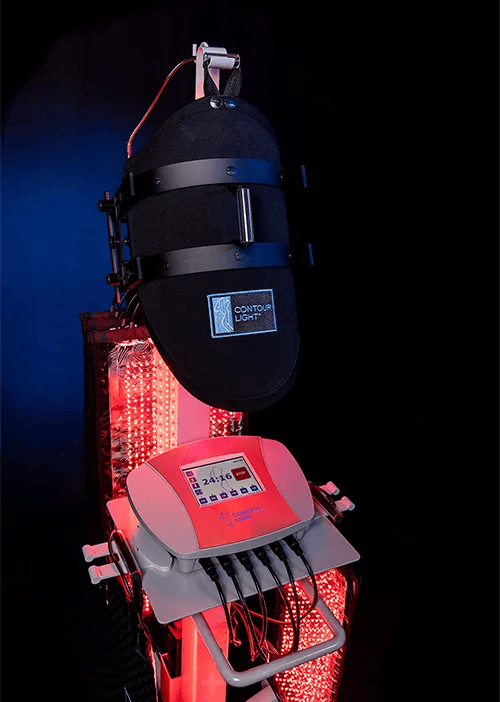
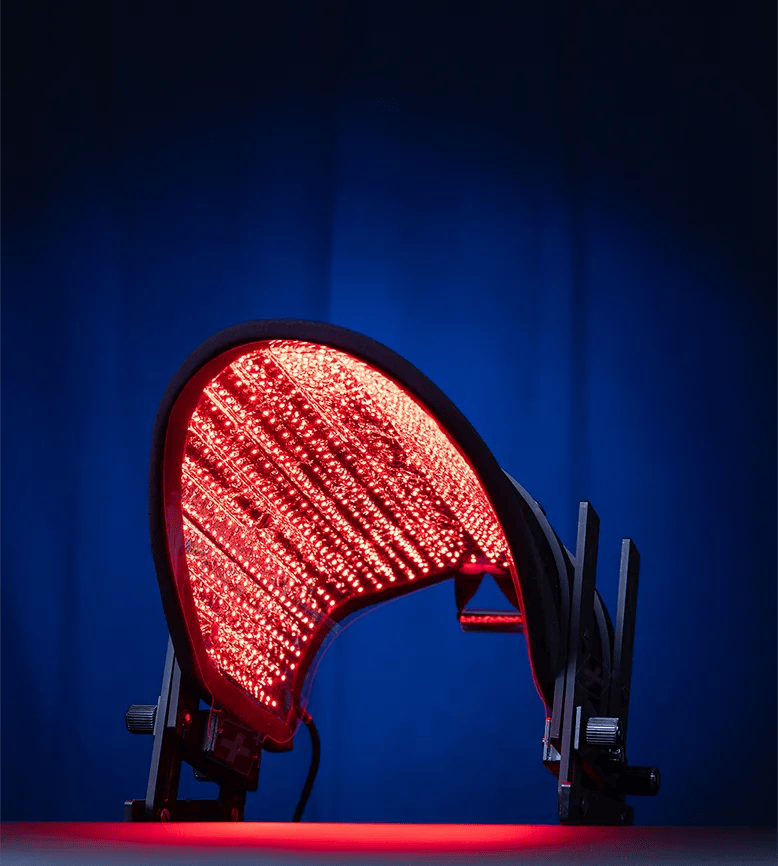
Different wavelengths of light, such as red light and near-infrared light treatments, have significantly diverse effects. Using infrared and near-infrared light, Contour Light® is FDA-cleared for use as a non-invasive dermatological aesthetic treatment for reducing the circumference of hips, waist, and thighs.
Contour Light® is also FDA-cleared for the temporary relief of minor muscle and joint pain, arthritis, and muscle spasms, relieving stiffness, promoting the relaxation of muscle tissue, and temporarily increasing local blood circulation. Find out more benefits that can improve your health and get you started on feeling your best!
If you’re curious about Contour Light’s FDA clearance, you can read more at the official FDA website.