
A Realistic Look at Weight Changes During the Holidays
Why Holiday Weight Gain Happens and How to Approach It Gently
The holidays have a way of disrupting even the most consistent routines. Later nights, richer meals, fuller calendars, and constant stimulation all stack up quickly. By the time January arrives, many people feel frustrated by changes in their body that seemed to appear out of nowhere.
Holiday weight gain is common, and in most cases, it is not a sign that something is wrong. It is usually the result of predictable physiological shifts that happen during this time of year.
The Physiological Factors That Influence Holiday Weight Changes
Holiday weight changes are rarely just about willpower. Several internal factors tend to show up at once:
Disrupted sleep patterns
Travel, social events, and late nights can interfere with circadian rhythm. Poor sleep affects hormone regulation, inflammation levels, and how the body processes energy.
Increased stress and cortisol
While the holidays are enjoyable, they are also demanding. Emotional stress, financial pressure, and packed schedules can elevate cortisol, which is associated with fat storage and water retention.
Inflammation and fluid retention
Seasonal eating habits often include more sugar, alcohol, and sodium. These can increase inflammation, leading to bloating and areas that feel swollen or resistant.
Reduced daily movement
Even when people feel busy, overall movement often decreases. Less walking, more sitting, and fewer consistent routines can quietly affect body composition.
These changes are common, temporary, and very human.

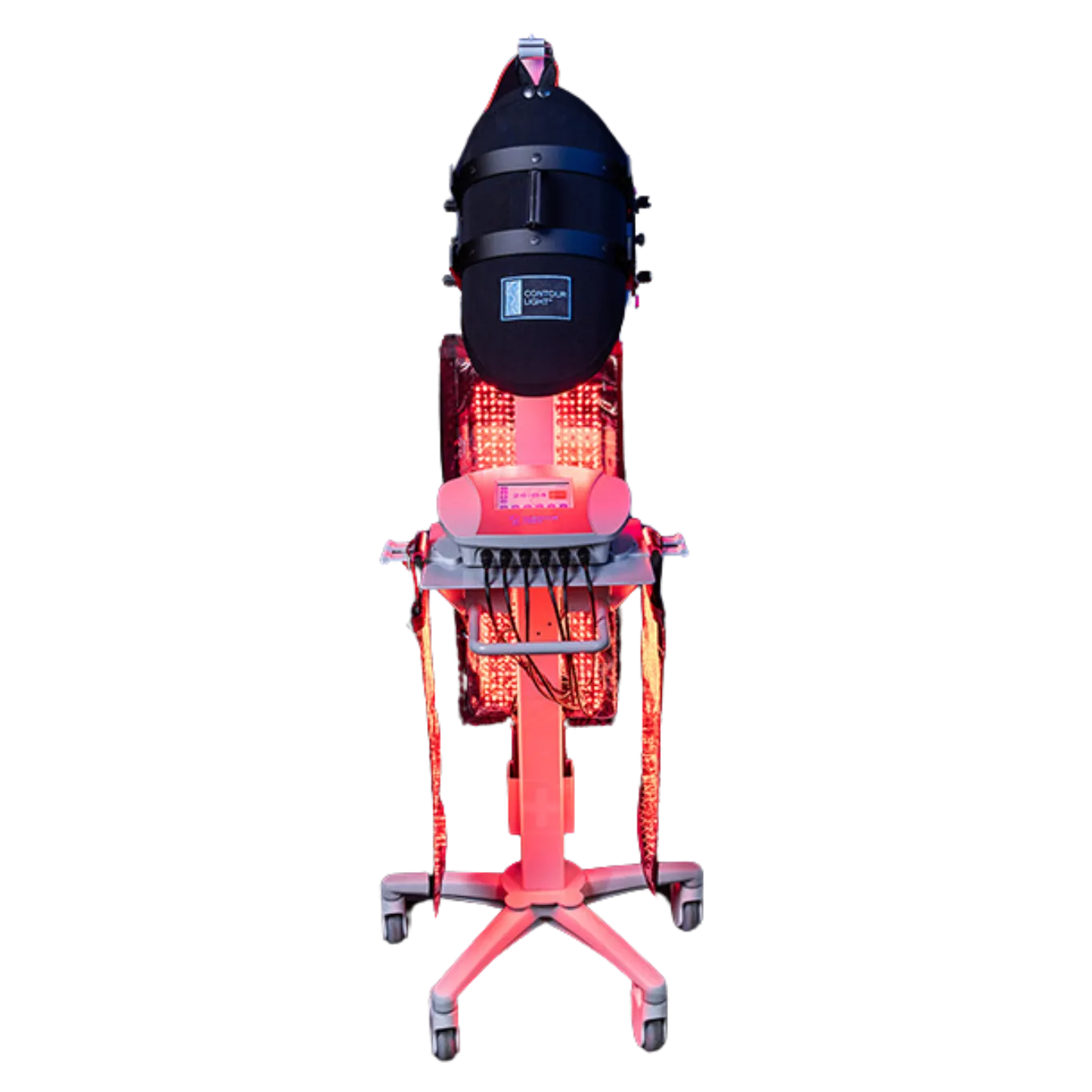
How Contour Light® Supports These Common Holiday Challenges
One reason many patients turn to Contour Light® during or after the holidays is that it aligns naturally with the body’s needs during periods of stress and disruption.
When sleep is inconsistent, the body often becomes more sensitive to inflammation and slower to respond to lifestyle changes. Contour Light® sessions are designed to be calming and restorative, making them easy to incorporate even when routines feel off.
Elevated stress levels can make traditional weight-loss approaches feel overwhelming. Because Contour Light® is non-invasive and requires no recovery time, it offers support without adding pressure, intensity, or additional demands on the body.
Inflammation and fluid retention are common reasons people feel discouraged after the holidays. Many patients focus on Contour Light® during this phase because it targets areas that tend to feel stubborn, even when they are eating well and moving more.
Reduced movement can make progress feel slower, particularly in specific areas. Contour Light® is often used alongside gentle lifestyle changes to help support body contouring efforts without requiring extreme workouts or drastic schedules.
Rather than fighting against the body, Contour Light® works as a complementary option during a time when the body is already under strain.
Why Extreme January Resets Often Fall Short
After the holidays, it is tempting to respond with strict rules, aggressive dieting, or intense exercise plans. While these approaches may produce short-term changes, they can also increase stress and inflammation, making them difficult to sustain.
For many people, progress feels more achievable when the focus shifts from punishment to support. Addressing inflammation, stress, and stubborn areas first often creates a better foundation for healthy habits to take hold again.
Entering the New Year With a Sustainable Mindset
The holidays are meant to be enjoyed, not regretted. If your body feels different right now, it does not mean you need to start over. It means your body experienced a season of change and is ready for a thoughtful reset.
Contour Light® fits naturally into a sustainable approach to the New Year because it does not require extremes. Patients often use it as part of a broader routine that includes better sleep, consistent movement, and realistic nutrition goals.
Instead of chasing quick fixes, many people choose options that support their body gently and consistently. Moving into the New Year with that mindset can make progress feel more manageable, more comfortable, and far more sustainable.